Rough Cowboy Font for Bold Western Crafts
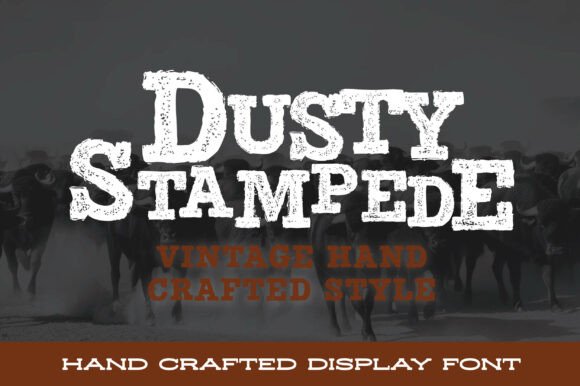
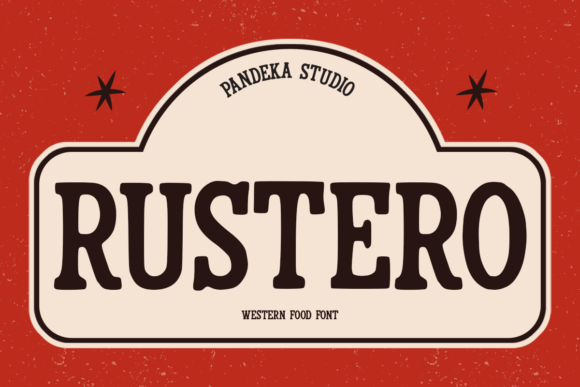
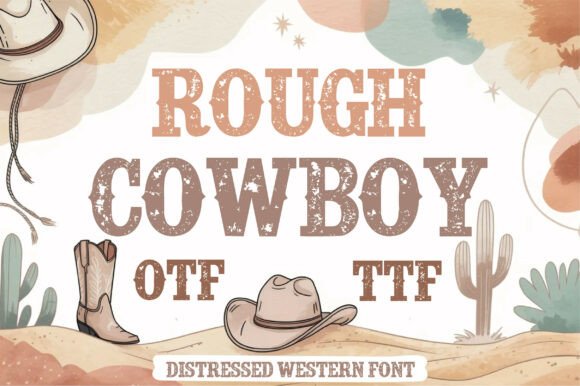
When you are designing physical products that need to stand out on a crowded shelf or in a digital marketplace, choosing the right Fonts is just as critical as selecting your materials. Rough Cowboy emerges as a powerful tool for makers who want to infuse their work with authentic character. This typeface is not just a collection of letters; it is a statement piece that brings a rugged, vintage cowboy feel to every project it touches. As a Slab Serif display font, it offers the structural stability needed for clear readability while delivering the distressed texture that modern consumers associate with handmade quality and artisanal care.
Creating Authentic Western Logos and Brand Identity with Rough Cowboy
For small shop owners and boutique creators, brand recognition starts with typography. Rough Cowboy provides an immediate visual cue of strength and tradition, making it an ideal choice for western logos and rustic branding elements. The strong slab serifs anchor the design, giving it a solid foundation, while the worn texture adds a layer of history and depth that clean, digital fonts often lack. When you use this font for your business name on packaging, hang tags, or social media graphics, you are communicating a sense of durability and authenticity. It works exceptionally well for businesses rooted in outdoor lifestyles, leatherworking, woodworking, or any venture that wants to project a tough, no-nonsense aesthetic. By integrating Rough Cowboy into your brand identity, you ensure that your visual presence feels cohesive and professionally crafted, appealing directly to customers who value heritage and craftsmanship.
Designing Eye-Catching T-Shirts and Posters with Distressed Texture
One of the most popular applications for display fonts is apparel and wall decor, where impact is everything. Rough Cowboy shines in these areas because its bold weight and distressed details translate beautifully onto fabric and paper. When creating t-shirts for rodeos, country music events, or casual western wear, this font ensures that the message is readable from a distance while maintaining a stylish, vintage vibe. The textured appearance mimics the look of screen-printed ink that has aged naturally, which is highly desirable in the current market for retro-inspired fashion. Similarly, for posters and printable wall art, the font’s character adds visual interest without requiring complex graphic elements. You can pair it with simple illustrations of horses, boots, or landscapes to create compelling compositions that sell. The key here is leveraging the font’s inherent personality to do the heavy lifting in your design, allowing you to create high-value products with minimal effort.
Enhancing Rustic Product Labels and Packaging with Slab Serif Style
Product presentation can make or break a sale, especially for handmade goods like candles, soaps, and gourmet foods. Rough Cowboy is perfect for rustic branding on labels and packaging, where a touch of rugged elegance can elevate perceived value. The slab serif structure ensures that even at smaller sizes, the text remains legible, which is crucial for ingredient lists or product names on tight spaces. However, its true strength lies in its ability to convey a story. A candle labeled with this font suggests a scent that is earthy, warm, and grounded. A jar of honey or artisanal jam tagged with Rough Cowboy feels like it comes from a farmstead rather than a factory. When designing these labels, consider using the font for the main product name and pairing it with a clean, simple sans serif font for the finer details. This contrast improves readability and creates a balanced, professional look that appeals to buyers looking for premium, handcrafted items.
Practical Readability Tips for Cutting Machines and Small Formats
As a crafter using Cricut or Silhouette machines, you know that not all decorative fonts cut cleanly. Rough Cowboy requires a strategic approach when used for vinyl decals, stickers, or small paper crafts. Because it features a worn texture, some of the internal distress marks may be too fine for certain cutting blades or materials. To ensure success, test cut a sample at your intended size before committing to a full production run. For very small stickers or intricate designs, you might need to adjust the scale or simplify the design by removing some of the finer distressed elements if your software allows. However, for larger signs, wooden plaques, and tote bags, the font performs exceptionally well. The bold strokes provide enough material integrity to prevent tearing during application. Always preview your design in actual size on your screen to gauge readability, ensuring that the rustic charm does not compromise the clarity of your message.
Pairing Rough Cowboy with Scripts and Sans Serifs for Balanced Designs
To maximize the versatility of Rough Cowboy, understanding font pairing is essential. This bold display font demands space and attention, so it should rarely be used for long paragraphs of body text. Instead, reserve it for titles, headlines, and short phrases. Pairing it with a flowing script font can create a beautiful contrast between ruggedness and elegance, ideal for wedding invitations or boutique signage. Alternatively, combining it with a clean, modern sans serif font creates a contemporary look that feels fresh yet grounded. This combination works well for digital printables, planner pages, and informational signs where clarity is paramount. By balancing the heavy visual weight of Rough Cowboy with lighter, simpler typefaces, you create a hierarchy that guides the viewer’s eye and enhances the overall aesthetic appeal of your project. This thoughtful approach to typography demonstrates a high level of design sophistication, setting your handmade products apart from amateur efforts.
Licensing and Commercial Use Considerations for Craft Sellers
Before incorporating Rough Cowboy into your commercial projects, it is vital to review the specific licensing terms provided with the font file. Most premium fonts offer different licenses for personal and commercial use. As a seller of physical products, templates, or digital downloads, you must ensure you have the appropriate commercial license to avoid legal issues. This typically covers selling items like t-shirts, mugs, posters, and printed invitations. If you are creating digital products for resale, such as editable templates or SVG files, check if the license extends to these uses. Understanding these boundaries protects your business and respects the creator’s work. Investing in the correct license not only ensures compliance but also supports the ongoing development of high-quality design assets like Rough Cowboy, enabling you to continue creating stunning, marketable products with confidence.